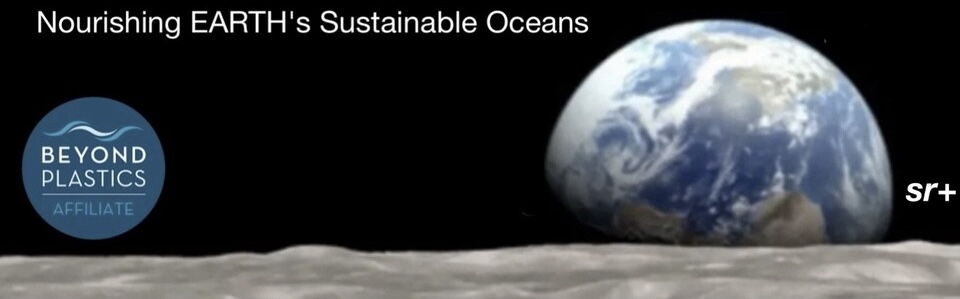
This photograph, EarthRise, the most influential environmental image ever taken, encouraged people to take part in the modern environmental movement; it was a motivator, catalyst and the impetus of ecological awareness and EcoActivism. We can no longer ignore the growing environmental crises of Earth. We look to science and nature for answers to ensure Our Blue Orb’s viability. We must cherish, preserve and protect our natural resources to prolong sustainability of the Earth, to improve the ecosystems and the habitats for all of our planet’s creatures.
Blue oceans cover 70% of Earth, holding 97% of all our planet’s water, so essential to the existence of life. Our oceans’ saltwater is effectively the life blood of the planet. Virtually every living creature on Earth depends somehow on our oceans’ bounty or influence for sustenance or survival. Ocean ecosystems’ sustainability and health are our most crucial natural resources that must be preserved.
The year after the 1968 Apollo 8 mission when astronaut Bill Anders shot EarthRise, twenty million Americans took to the streets, in cities and on college campuses to participate in the first Earth Day’s teach-ins, rallies, marches and protests to demand environmental reform. Earth Day was not organized as a protest. Instead, that April 22, 1970 Earth Day encouraged and fueled a worldwide ecological awareness. Our Blue Orb echoes those Earth Day messages to continue struggles to improve our environment and sustainability and fully endorse and urge a complete commitment to a renaissance of ecological movement in the 21st century.
sr+
Robert Redford Environmental Activist and Advocate
August 18, 1936 – September 16, 2025
His Legacy
Nine years ago The Redford Center published this video in Robert Redford’s own voice detailing his environmental legacy: “Actor and activist Robert Redford tells his personal story of what moves him to protect the environment, and his journey in doing so.”
Take five minutes and forty-five seconds of your life to listen to an environmental activist’s own words…
“And, if we’re going to avoid the worst of the impacts then we have to act boldly. And, we must act immediately… Only by acting now and standing together can we tip the scales and change the course of history. And I for one hope you will embrace that role with courage and conviction… There are no easy answers, no clear solutions. There’s only what each of us is willing to do.”
Work for conservation of our sustainable
Natural Resources & Ecosystems Viability
as Your Legacy
Or Let Plastic Waste And Chemical Pollution Kill Our Oceans
Plastic waste affects all living things
Microplastic and Nanoplastic Contamination
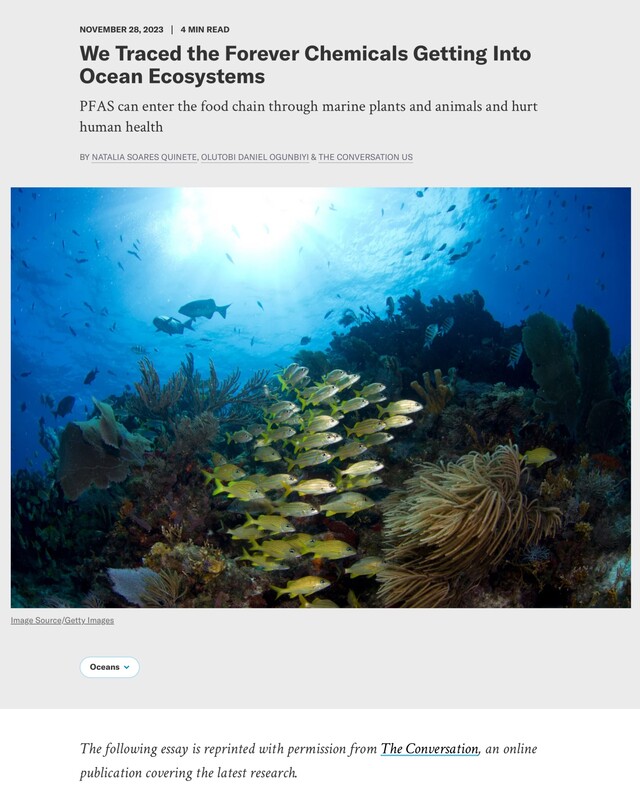
It's not just the plastic waste that is so dangerous to the oceans and their inhabitants. The chemical pollution that comes from plastics and microplastics is a toxic nightmare that will not go away.
The scourge of microplastic (MP) and nanoplastic (NP) pollution is found everywhere in the marine environment, from the ocean’s surface to the deep-sea sediments. Microplastics and nanoplastics are inside of zooplankton and the entire marine food chain and all the fishes and animals of the oceans. Measurements suggest that millions of microplastic particles are present in every cubic meter of ocean water and its sediments. Millions of tons of plastic waste move down river systems annually to join ghost plastic fishing gear. As this plastic waste degrades, a large portion of the plastic pollution becomes the "hidden" microplastic (MP) and nanoplastic (NP) particles contaminating the entire marine environment.
Degraded plastic pollution (MP & NP) particles are consumed by microscopic plankton and subsequently by bivalves, fishes and marine mammals, whales and even seabirds. Through bioaccumulation they collect in the bodies of all organisms. Biomagnification occurs and concentration increases at higher levels as contamination moves up the food chain to the top predators. Humans obviously are at great risk.
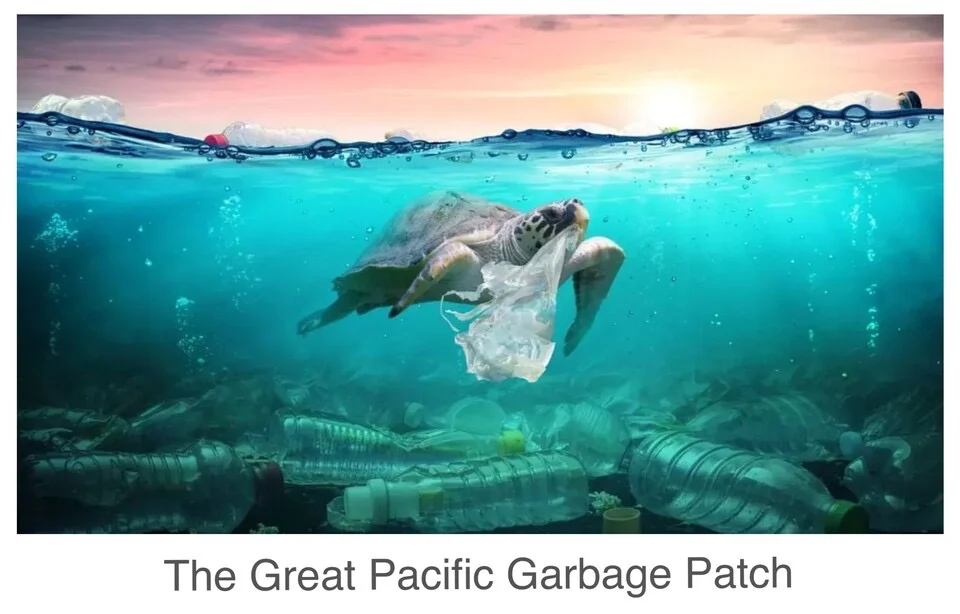
Plastic waste affects all living things
Make your legacy improving sustainable natural resources.
Please take time to watch these videos to understand the gravity of the situation.
Plastic Waste Is Everywhere!
Plastic Pollution is the global crisis that must be dealt with, 5.25 trillion pieces of plastic debris in the ocean, "Of that mass, 269,000 tons float on the surface, while some four billion plastic microfibers per square kilometer litter the deep sea." Plastic waste devastates every aquatic ecosystem… polluting lakes, rivers and ultimately our oceans. Plastic pollution alters ecosystems' habitat biodiversity and natural resources and processes, reducing ecosystems' ability to adapt to its overwhelming onslaught. Many countries around Our Blue Orb are trying to stem the tide and this flood by enacting laws to help limit plastic waste and single use plastic packaging.
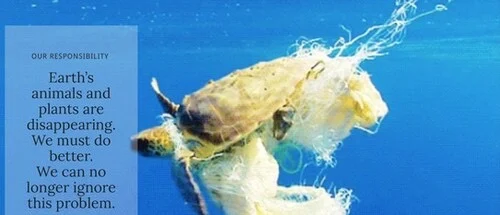
Canada has enacted laws to reduce plastic waste but is being held hostage and is being sued by petrochemical corporations and plastic manufacturers that have joined together to fight to overturn this legislation.
Plastic pollution is killing wildlife and devastating the oceans.
Oceana, the largest international advocacy organization dedicated solely to ocean conservation, has published this video about the problem.
Visit Oceana Foundation and Ocean Generation Charity
David Attenborough
"Everything You Need To Know
About Plastic Ocean Pollution"
Take Action!
Join together
to make a positive impact
on our environment.
Make Your Legacy EcoActivism.
Speak Up And Be Heard.
Work Together To Improve Our Earth!
© Copyright 2025
sr+ an associate
of OurBlueOrb.org
stevendphilbrick